What 8 Years at Mothers Without Borders Taught Me About Growing a Nonprofit
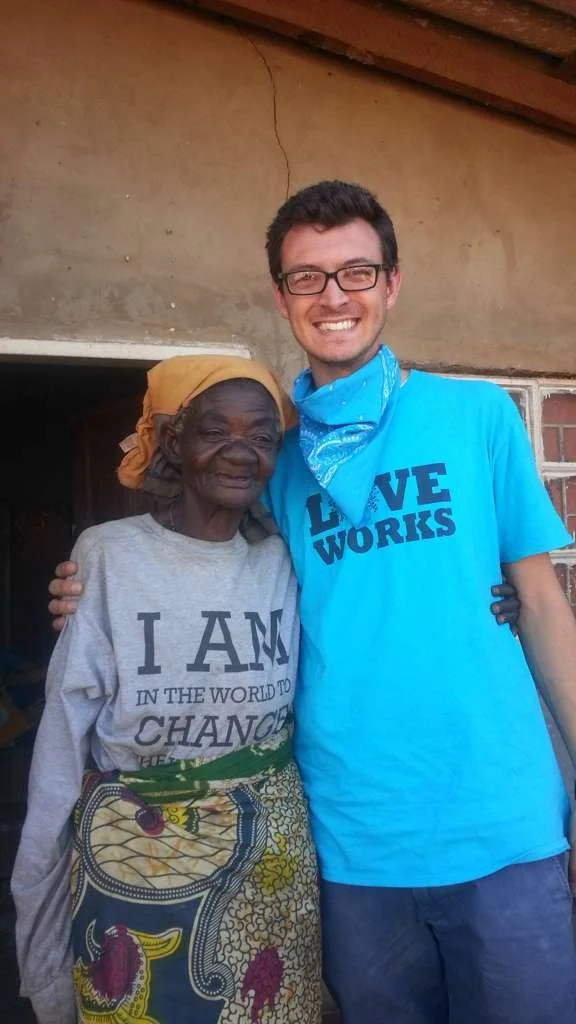
I started at Mothers Without Borders as a 26-year-old grad school intern with zero idea how to do anything related to nonprofit work. Despite my lack of know-how, I fell deeply in love with the work and gave it my whole heart.
Eight years later, I left as the CEO.
In between, I served as Fundraising Director, Expedition Leader, COO, and wore about a dozen other hats.
Over those eight years, Mothers Without Borders grew a lot.
The annual budget went from $500,000 to $2,500,000.
We expanded our annual reach from 400 to over 36,000 beneficiaries.
Our international team grew from 25 to over 100.
As exciting as this growth looks written out like that, what you don't see here is the tremendous journey we went on to get there. And believe me, it was a WE effort. It took all of us.
Kathy Headlee, the founder, built the foundation long before I showed up. Josephine Mulenga Daka, our Zambia Country Director is one of the most extraordinary leaders I've ever worked with, carrying the work on the ground. We had a board that took chances on me, donors who showed up like family, and over time, a team of professionals that gave their whole hearts every single day.
What I got was the best education in nonprofit growth I could have asked for.
The Stakes Were High and the Lessons Were Real
At Mothers Without Borders, when we committed to taking in a vulnerable child, we knew we were potentially committing to them for the next 20 years. We couldn't grow in a way that risked us not being able to keep showing up for these kids halfway through their journey.
That weight changed how I thought about everything. Growth wasn't about chasing bigger numbers. It was about building something durable enough to hold the promises we were making.
So we got to work building real infrastructure. We implemented a CRM and built processes for tracking donor relationships. We grew the monthly giving program from $2,000/m to $35,000/m. (Imagine! $35,000 rolling in every month and we didn’t have to ask for it!)
We launched an annual gala that raised a significant amount of money, but more importantly caused all attendees to fall deeply in love with the organization. Our relationships blossomed.
We instituted monitoring, evaluation, and learning processes so data could ensure our funders that our work was transforming lives. We developed financial reporting that gave the board and leadership team decision making power.
Some of it worked beautifully. Some of it didn't. We made a lot of mistakes along the way. But the truth is, both the mistakes and successes were full of learning.
My Most Successful Failure
One week about halfway through my time at Mothers Without Borders we ran the most successful fundraising campaign in the history of the organization. We raised $180,000 in one week.
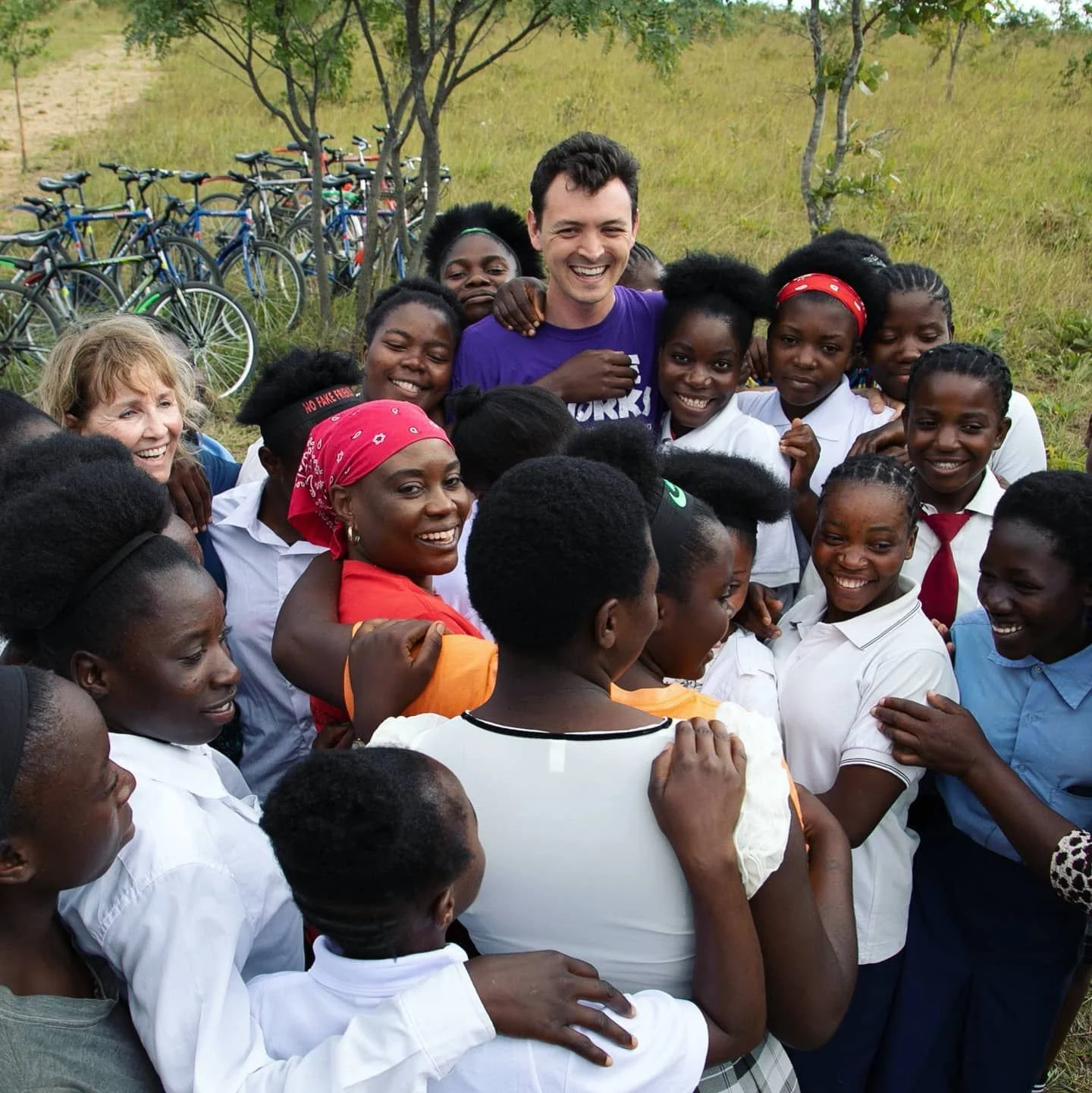
A chunk of it came from a few major donors, but more than half of it came from a new idea we had never tried before. 135 of our volunteers created their own Facebook fundraisers and rallied their networks behind us. Over 1,000 people gave that week, most of which were new donors who had never heard of us before.
Then the dust settled and we discovered an unwelcome surprise...
Facebook didn't give us any contact information for our donors.
We had 1,000 people who cared enough about our mission to open their wallets, and no way to thank them, no way to invite them on an expedition to Zambia, no way to pull them into a long-term relationship with the work.
It stung. I was exhausted from the sprint. We couldn't replicate that kind of effort every time we needed funding, and the people who had just shown up for us were going to drift away because our system had a gaping hole.
It's one of my most successful failures.
A great fundraising effort without the systems behind it to capture and steward those relationships is a one-time event. With the right systems, that same moment becomes the start of a long-term community.
The Pattern I Kept Seeing
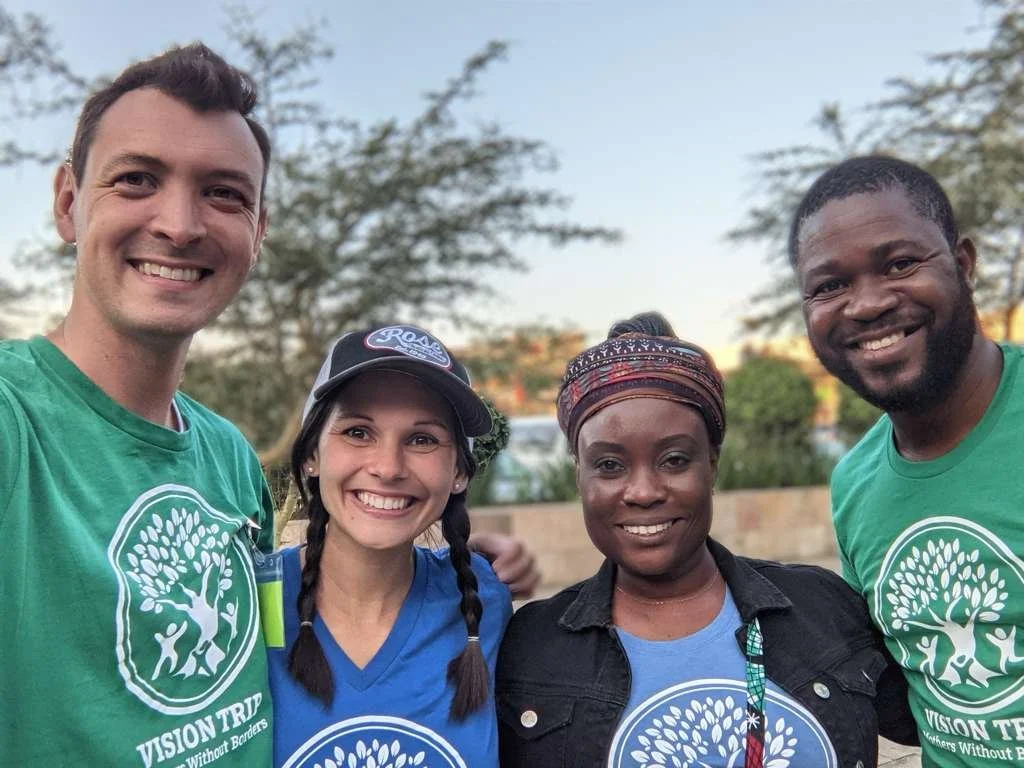
After leaving Mothers Without Borders and starting Crandall Impact in 2023, I've worked with dozens of small nonprofits. The story is almost always the same — a passionate founder wearing 70 hats, doing a handful of things really well, but stuck on a plateau because the other parts of their organization can't keep up.
The fix is rarely to work harder. It's building the right systems in the right places.
I've boiled this down into a simple framework called the 5 Pillars of Impact — Administration, Programs, Evaluation, Storytelling, and Fundraising. When all five pillars are functioning together, impact multiplies naturally. Momentum takes over and the organization pulls itself forward. But, when even one pillar is weak, growth can stall and leaders burn out.
Read more about the 5 Pillars of Impact
What This Means for You
If you're leading a small nonprofit and feeling stuck, you're not alone, and you're not doing it wrong. You're just hitting the natural ceiling that comes when you’ve grown to the point that you need systems and people to help keep all 5 pillars strong and improving.
That's exactly what Crandall Impact was created to do. We come alongside leaders to build the systems, strategy, and structure that turn beautiful missions into sustainable, scalable impact.
I'd genuinely love to meet you and hear what you're building. My lunch calendar is open — in person if you're nearby, virtual if you're not.
-Tanner Crandall